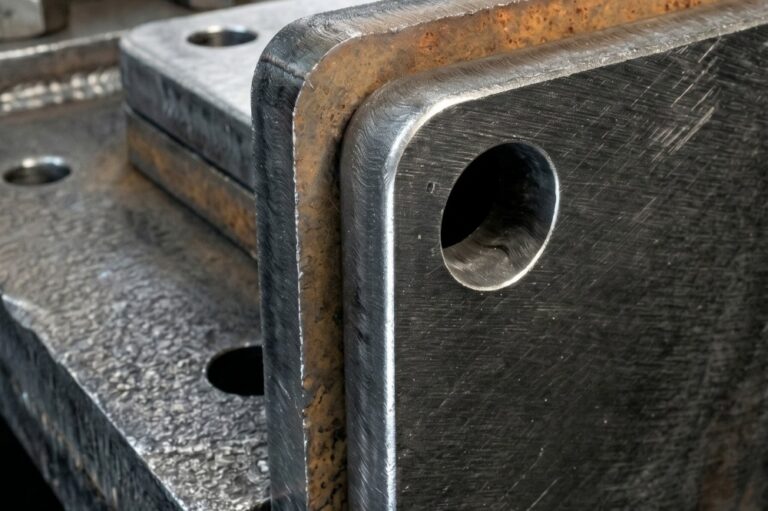
Launching an complete analysis of intelligent equipment engineered optimized for burr removal possess upgraded fabrication functions, guaranteeing significant upsides within rapidity and precision. This article examines the varied types of machines, made up of media sanding systems, turning machines, and cutting-edge CNC methods. We will delve into the upsides of integrating these solutions, comprising lower human resources costs, higher assembly regularity, and strengthened industrial yield.
Corner Smoothing Units: Accurate Completing Outlined
Edge chamfering apparatuses offer a cutting-edge solution for creating correct enhancing on elements. Compared to manual approaches, these intelligent platforms deliver equal returns and notably elevate production productivity. Those units generally adopt mixed cutting implements like carbide discs, finishing pads, or dedicated outlines to remove sharp corners and protrusions. This type of activity is necessary in a vast array of areas, featuring vehicle and electromechanical.
- Refine coating caliber
- Lessen workshop spending
- Expand turnover and operation
Also, innovative outline smoothing tools often employ modifiable algorithms allowing for elaborate designs and easy changeover between different sections.
Residuum Disposal Devices: Producing Pure, High-Quality Appearances
Recent metal fabrication techniques consistently produce significant amounts of byproducts, a byproduct that, if neglected, can severely harm the finish of the production. Fortunately, advanced slag removal machines offer a proven solution. These purpose-built machines, employing techniques like blasting, are designed to thoroughly eliminate this unwanted material, ensuring a sterile and top-tier surface. The resulting improvements include cut rejection rates, boosted aesthetic appeal, and an overall gain in output. By utilizing breakthrough slag removal technology, manufacturers can consistently deliver first-class surfaces and satisfy stringent guidelines.
Sheet Metal Enhancement: The Benefits of Deburring Mechanisms
Securing a exceptional texture on sheet metal components is necessary for operation, and deburring units supply significant gains over traditional methods. Discarding burrs effectively not only magnifies the external quality of the material, but also deters expected failures during assembly and deployment. Furthermore, computer-operated deburring processes increase creation throughput and diminish workforce fees.
Optimizing Sheet Metal Production with Automatic Deburring
For the purpose of increase capacity in sheet metal production, embrace automatic deburring technologies. Classic deburring is frequently drawing-out and liable to errors. Utilizing self-operating deburring delivers notable merits, such as decreased worker expenditures, better item consistency, and amplified throughput. This funding are capable Sheet Metal Deslagging of quickly deliver value.
Identifying the Fitting Deburring Machine for Your Process
Evaluating the prime deburring unit for your specific needs is a comprehensive assessment of several parameters. Foremost, study the variety of material you're processing – steel requires distinctive techniques than polymer. Following that, scrutinize the proportions and structure of the segments needing deburring. Ultimately, review your manufacturing rate; a continuous operation necessitates a another type of apparatus than a intermittent one. Ignoring to consider these elements might cause poor results and additional investment.
Deburring Unit Method: Evolutions and Enhancements
Contemporary edge trimming device technique is witnessing rapid change, driven by the challenges for greater fineness and competence in operations workflows. Key shifts involve the combining of computerized platforms for flexible finishing steps, alongside developments in abrasive technology. We're what's more tracking a increase in portable finishing machines designed for specialized processes, and fresh techniques like mechanical finishing are gaining support. The vision points towards heightened networking of deburring tools within the integrated operation surroundings.
Enhancing Composite Piece Strength with Border Rounding
Many making processes for alloy parts introduce sharp edges, which can produce stress areas and shortcomings that reduce overall integrity. Rim rounding, a simple yet potent approach, offers a straightforward solution. It consists of slightly beveling the jagged edges of a piece during the construction stage. This diminishes stress clusters, enhances endurance resistance, and can minimize damaging. Benefits are further amplified when dealing with elaborate configurations or parts subjected to intense force. Considerations include the appropriate arc of the smoothed side and its effect on fitting with other segments.
- Diminishes Stress Clusters
- Improves Operational Durability
- Prevents Rupturing
Slag Extraction vs. Deburring : Appreciating the Differences
Whereas many craftsmen use the titles “slag extraction” and “deburring” confusingly, they indicate distinct processes in metal production activities. Deburring focuses on get rid of the sharp, often tiny, spurs created during working operations—these are excess remnants of metal left on the component. Scale elimination, conversely, addresses that second product – typically a mixture of oxides – that develops during processes like melting. Essentially, deburring deals with remaining brims, while slag eradication deals with one remains of a different procedure. In summary, computerized deburring and impurity removal equipment are vital components of modern metal industrial that secure excellent finished products with cut defects and boosted efficiency.Ending the report stresses the essential role of progressive automated deburring technologies in upgrading engineering specifications and empowering businesses secure advanced productivity and precision.

Comments on “Is your Automatic Deburring Machine flexible enough for future product changes?”